

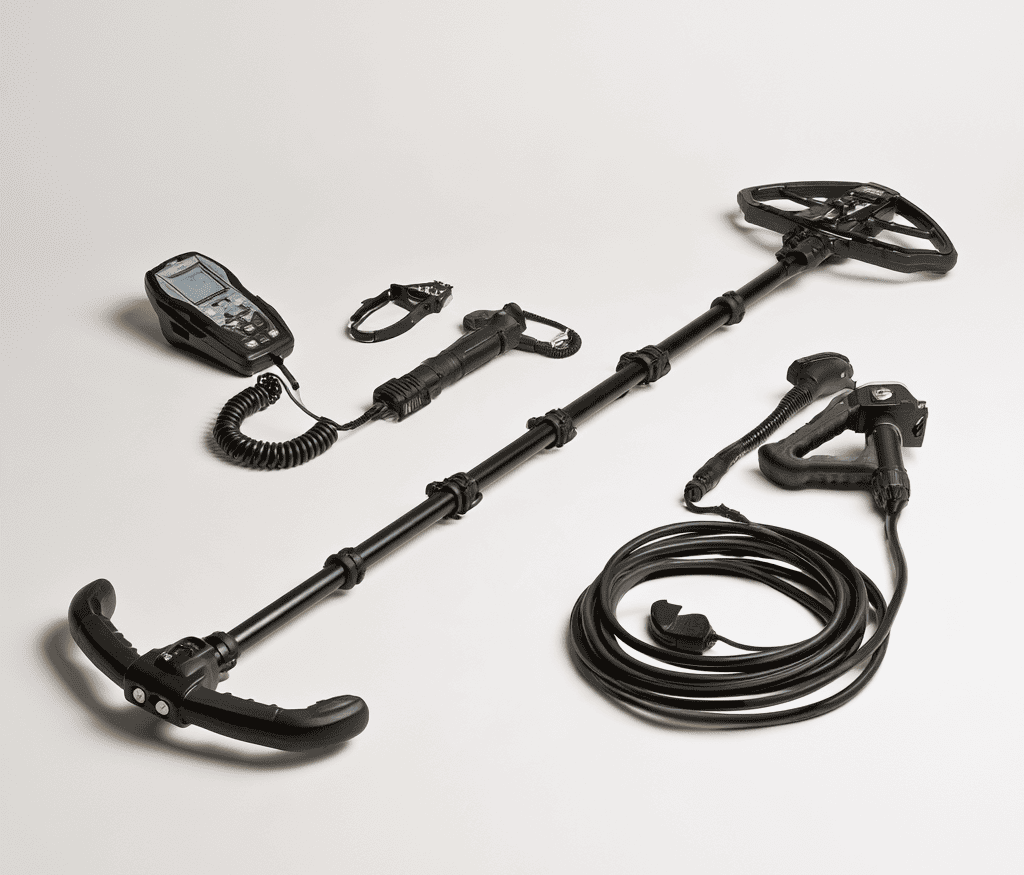
In a world that constantly pulls our attention in a dozen directions, finding a practice that anchors us to the here and now can feel like a rare gift. For many, that gift arrives in an unexpected form: the gentle, rhythmic motion of a gold detector swinging low over the ground. What begins as a search for treasure often becomes something far more valuable—a moving meditation that quiets the mind, soothes the spirit, and brings a profound sense of peace to the present moment.
The Natural Mindfulness Of Detection
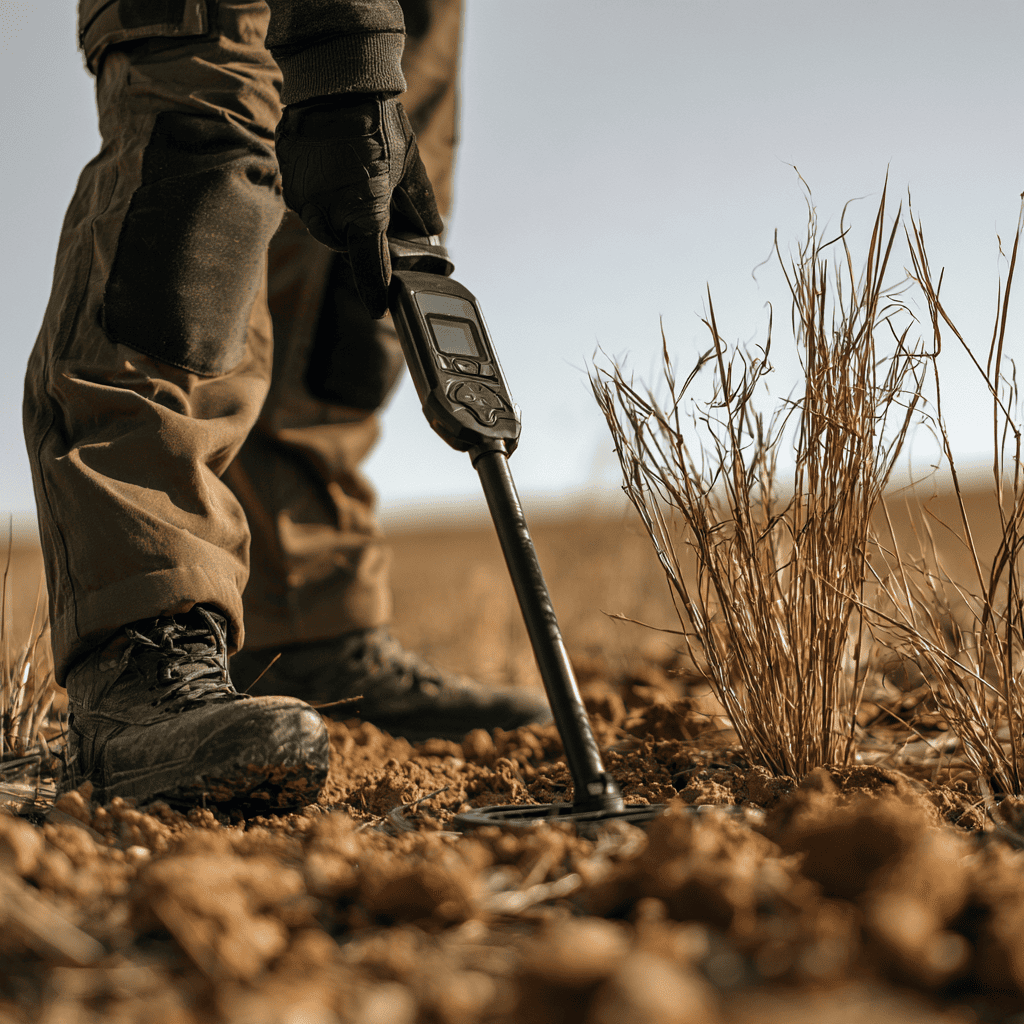
Mindfulness, as defined by mental health charity Mind, is the practice of noticing what is happening in the present moment without judgment—attending to your mind, body, and surroundings with gentle awareness . The benefits are well documented: feeling calmer, less stressed, and more able to respond thoughtfully to difficult thoughts and feelings.
Metal detecting offers a pathway into this state that requires no meditation cushion, no app, and no prior experience. Consultant psychiatrist Dr. Beth Chapman describes it perfectly: “There’s something mindful about it. I struggle to be mindful at other times but it’s peaceful, and I find digging holes therapeutic” . When she detects, she walks slowly, focusing entirely on the ground in front of her, imagining the people who walked those paths before her .
This is mindfulness in motion—accessible, embodied, and deeply engaging.
The Flow State Of The Swing
The repetitive rhythm of swinging a detector creates what psychologists call a “flow state”—that elusive zone where time seems to dissolve and worries fade into the background . The motion is simple: sweep, listen, sweep again. The attention narrows to the sounds in your headphones, the feel of the ground beneath your feet, and the quiet anticipation of the next signal.
A Southport detectorist described this experience with beautiful clarity: “You put your earphones in, and you’re just walking about and everything just vanishes because you’re just concentrated on listening for the sounds. Everything just drifts away. It’s a fantastic escape” . He added that his wife notices the difference: “When I go out metal detecting, I always come back in a far better mood. She says that I’m lighter and more open to everything” .
This is not passive distraction. It is active, focused presence—the very definition of mindfulness, achieved through the simple, satisfying work of the hunt.
Research Confirms What Detectorists Know
The therapeutic benefits of metal detecting are not merely anecdotal. A study published in the International Journal of Heritage Studies surveyed British Armed Forces veterans with PTSD and other psychological challenges, concluding that archaeological metal detecting has “the potential to positively influence well-being and happiness for people suffering from mental health problems” . A significant number of respondents reported that the hobby alleviated specific symptoms of their conditions, including PTSD, depression, and anxiety .
The research identifies key factors that make detecting so beneficial: it enables people to connect, be active, take notice, learn, and give—all building blocks of wellbeing that align with the New Economics Foundation’s “Five Ways to Wellbeing” framework . The focused attention required by detecting functions as a form of mindfulness, while the physical activity in nature and the social connections of the detecting community provide additional layers of support .
Nature As A Healing Backdrop
The meditation of the swing is deepened by the environment in which it occurs. Detecting takes you outdoors, away from screens and notifications, into what researchers call “green time”—direct exposure to nature that measurably lowers cortisol levels and reduces anxiety . You are not simply walking through nature; you are actively engaging with it, reading the landscape for clues, listening for signals, and feeling the earth respond to your presence.
One detectorist on a BMJ forum described the full-body experience: “You are walking, swinging from side to side, bending, digging and climbing over fences… You are transported away from your everyday life into a field of possibilities. You forget your worries and concerns” . Even a lunch break becomes an opportunity to watch hawks and buzzards hunting, hares and foxes moving through the wild .
A Practice You Can Return To
Unlike a formal meditation retreat or a therapy session, metal detecting is a practice you can return to whenever you need it. It requires no appointment, no subscription, and no special clothing. Your detector waits in the closet, ready to accompany you into the quiet spaces where the mind can settle.
Lucilla Gray, who took up detecting during the pandemic, explains why it resonates: “If you struggle with your mental health, I think metal detecting can really help with grounding, giving you focus. It helps to stop overthinking things and you have to be really present in what you’re doing. It’s a good way to give your brain a bit of a break” .
The gold you may find is a wonderful bonus. But the real treasure—the one that keeps you coming back—is the peace you carry home. The meditation of the swing is always available. All you need is a detector, a patch of ground, and the willingness to listen.

